
How to Protect a Musical Composition in 2026: Practical Criteria, Traceability, and the Brazilian Scenario
Faced with the fragmentation of rights and new demands of the digital ecosystem, protecting a musical composition goes beyond registration: it involves choosing criteria, constant monitoring, and understanding the role of traceability in the composer's career.
Redação Música 360º
Redação Música 360º
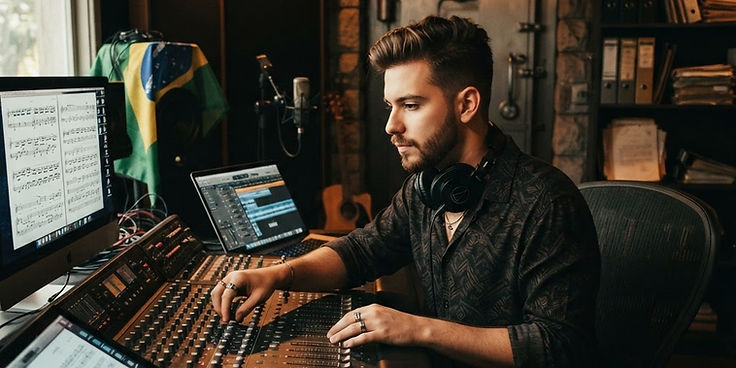
In 2026, protecting a musical composition has come to include routines and decisions that go beyond the traditional simple registration. The process has become more sophisticated after a decade of digital transformations in the music industry, demanding rigorous organization of authorship evidence, careful monitoring of the use of works, and a careful selection of criteria to ensure legal backing that is secure and recognized by the market.
Practical Criteria and Critical Decisions in Composition Protection
Anyone creating music today needs to adopt layers of protection to ensure not only recognition, but above all, the traceability of authorship and the ability to prove unauthorized use of the work. If a few years ago registration was considered a sufficient step, in 2026 it has become one of several essential elements in the protection cycle.
The criteria to ensure the authorship shielding of a composition include:
- Detailed documentation of the creative process, with dates, versions, files, and records of the music's development.
- Formalization of contracts or authorship declarations, especially in cases of co-authorship or partnerships, establishing percentages and responsibilities over the work.
- Official registration of the music with a competent body, digital or physical, in an instance accepted by Brazilian law.
- Secure archiving of original materials, recordings, scores, or lyrics, in formats validated by technical expertise.
- Adoption of digital traceability technologies that corroborate authorship and facilitate possible dispute processes.
The Brazilian Scenario and Legal Nuances in 2026
The fragmentation of copyright in Brazil is even more evident this year, whether due to the increase in collaborations, remote partnerships, or the use of artificial intelligence in small parts of musical works. The central challenge, therefore, is not only to prove who created, but also to document how early such work existed and how it materialized over time.
The Brazilian legal context maintains the requirement of official registration as a priority factor to guarantee the presumption of authorship in case of disputes, but experts point to the importance of building a robust dossier, anticipating scenarios of challenges, leaks, or misappropriations—which are increasingly frequent due to the wide access and digital sharing.
Tracking and Monitoring: A New Standard of Protection
With the speed at which files and alternative versions of songs circulate, it has become mandatory for the composer to develop systematic monitoring of the use of their work both online and offline. Companies developing technological solutions for the music sector already operate in this segment, but the market recognizes that, without proper guidance and consultancy, these isolated tools cannot handle the legal complexities of the Brazilian environment in 2026.
Digital traceability, when combined with traditional documentation and accepted forensic procedures, allows the formation of a body of authorship evidence that is practically immune to bad-faith challenges. However, mistakes that still frequently occur include neglecting records of co-authorship processes, storing single versions in environments not legally recognized, or adopting fragmented protection policies.
Paths for Artists: Shielding That Begins in the Creative Routine
Composers seeking to strengthen the protection of their works need to establish good practices from the very first ideas. This includes meticulous recording of each stage of the creative process, systematic backups, and clarity in the tools and storage formats used. Relying solely on public registration is not enough: actively participating in every detail of the proof is the secret to ensuring security and respect for authorship.
Those starting or consolidating a career in this scenario can no longer do without specialized consultancy that understands institutional players, recent legal changes, and technological dynamics. The most common mistake is to see registration as a one-off act, not as part of a permanent strategy for asset management and work appreciation.
The Role of Grupo Música 360º in the Music Registration Service
Grupo Música 360º delivers end-to-end protection services for musical compositions in Brazil in 2026. Starting with a detailed diagnosis of the artist's creative profile, our team guides on the necessary documentation, promotes legally recognized official registrations, and establishes guidelines for the secure archiving of materials. In addition to ensuring authorship recognition, we follow up on digital traceability processes, continuous monitoring of the use of works, and provide advice in situations of disputes or negotiations involving rights.
The Music Registration service from Grupo Música 360º serves professionals, emerging composers, and large creative collectives, offering customized solutions for each case and handling the entire bureaucratic and technological cycle essential for the contemporary Brazilian music environment. Contact our team via WhatsApp to present your project and truly shield your repertoire.
Impact of New Trends on Copyright Protection
The protection journey today is intertwined with strategic career management: shielding the composition is decisive not only to prevent plagiarism or legal disputes, but also to enhance the value of the authorship catalog in contracts, negotiations, syncs, and artistic partnerships. Traceability, combined with documentary backing and official registration, is at the heart of the demands of buyers, publishers, agencies, and festivals.
Thus, protecting a musical composition in 2026 requires business vision, understanding of legal nuances, and mastery of the new parameters of the digital market. The composer who understands the strategic role of this routine builds a safer trajectory, better prepared for the advances (and attacks) of the global market.
Grupo Música 360º
Sua música também pode chegar mais longe.
O Grupo Música 360º trabalha com divulgação musical e produção de conteúdo para artistas, bandas, produtores e gravadoras. Fale com a nossa equipe pelo WhatsApp e apresente o seu projeto.