
How to Register a Computer-Produced Song in 2026: Technical Criteria, Protection, and Tailored Workflow
A detailed analysis of processes, precautions, and decisions in the legal registration of songs created in digital environments
Redação Música 360º
Redação Música 360º
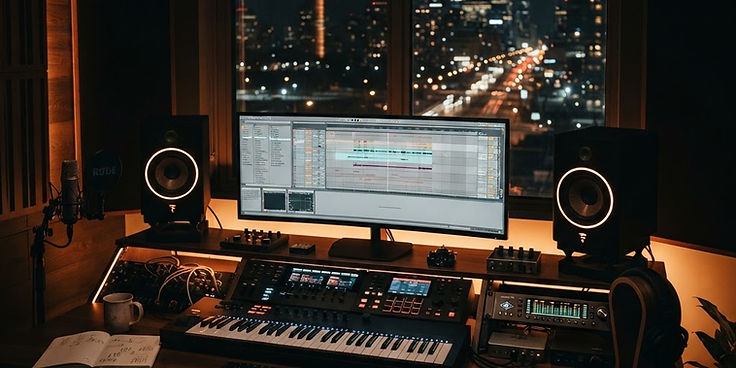
Music production via computer has become the dominant trend in 2026, with artists of all sizes prioritizing DAWs, plugins, and digital environments as essential raw materials. However, this creative leap faces a crucial question: how to ensure legal security, recognized authorship, and real appreciation for songs that are born and live in the digital realm before their commercial circulation?
What Characterizes a Computer-Produced Song
Songs created on the computer differ not only by their medium, but by the set of files involved: DAW projects (such as stems, multitrack sessions), partial mixes, intermediate renderings, and experimental versions. Many works reach their final stage without ever having been on paper or in a traditional studio, making the digital environment not only the tool but also the original creative evidence. This particularity imposes new challenges for copyright registration, as it is common to have dozens of versions, automations, and modular details saved during the production process.
New Technical Criteria for Music Registration in 2026
Registering a song produced entirely on the computer requires more than submitting a conventional score or a typed lyric. Complex instrumentals, use of samples, beat programming, and audio manipulation resources have generated a demand for technical criteria adjusted to the dynamics of the 21st century. Editable project files, separated tracks, technical descriptions of the workflow, and, in certain situations, documentation of the software used, constitute valuable and legally accepted evidence of authorship and the creative process. Digital composers must also be attentive to the need to detail any collaborations and the origin of each sound element, especially in collaborative remote production environments.
Practical Workflow and Critical Points
The procedure for registering a song created on the computer today involves specific steps: unequivocal identification of authorship through organized storage of the main files (project, final stems, lyrics, mix guide), chronological validation (reliable timestamp), conversion of the main files into formats accepted by the registration system, and detailing both the melody and the technical elements that make up that version of the work. Ignoring any of these points can result in legally weak or contestable registrations.
Recurring mistakes include submitting only an edited version (for example, a final MP3) without documentation of the production process, or not specifying each collaborator's contribution (especially in shared online production sessions). These slips open the door to disputes and weaken the legal protection of the registration.
Music Registration: Real Protection for Digital Works
Looking at the music scene in 2026, it is clear that works produced exclusively on the computer have instant cross-border circulation, high potential for remixing, sampling, and cutting, and face risks of misappropriation on digital platforms. Legal registration, in this scenario, is no longer a mere formality—it has become an essential layer of protection and credibility, both for direct negotiation with labels and publishers and for litigation in cases of plagiarism or unauthorized use.
Recognition of authorship before legal bodies and platforms depends on the documentary consistency of the creative process. Detailing who did each part, registering sample sources, storing various stages of the digital project, and ensuring that everything is filed with a solid time reference distinguishes the prepared author from the one vulnerable to future disputes.
The Role of Grupo Música 360º in Registering Computer-Produced Songs
The Music Registration service of Grupo Música 360º is structured to serve creators who produce entirely in a digital environment. The process begins with a personalized diagnosis, identifying the technical nuances of each project: from organizing editable files to formalizing shared authorship, including converting digital evidence into formats suitable for official protocol. All stages are accompanied by specialists, responsible for guiding the documentation standardization, generating legally valid timestamps, and providing ongoing support for any questions about collaborations and intellectual property.
Our team understands the specificities of the current scenario and works to ensure that the registration of the digital work brings, in practice, the necessary protection against disputes, misappropriations, and commercial insecurity. Grupo Música 360º is a reference for those who value traceability and the legal backing of music made—and registered—electronically.
If you produce music on the computer and want to turn each track into a protected, shielded asset ready for professional circulation in the market, contact Grupo Música 360º via WhatsApp to present your project and receive specialized assistance.
Trends and Developments for the Digital Music Producer
With the complete digitization of the music chain, the technical requirements for registration have been becoming more sophisticated—not only following legal evolutions but also the expectations of industry professionals, publishers, and distribution platforms. In 2026, there is growing pressure for more robust registrations that not only attest to the authorship of lyrics and melodies but also detail the process and legitimize the use of digital technologies in music creation.
The rapid obsolescence of digital formats and the multiplication of collaborative workflows pose the challenge of keeping records updated, accessible, and legally supported throughout the life cycle of the work. The attentive producer needs to treat registration not as an isolated step, but as a central part of their career strategy.
Closing this cycle of copyright protection, from the digital file to irreversible legal recognition, has long become more than a bureaucracy: it is what enables professionals to negotiate, license, monetize, and expand their opportunities in a global market driven by artificial intelligence and instant circulation.
In an increasingly complex ecosystem, where the speed and originality of digital creation are competitive differentials, robust registration of computer-produced songs distinguishes the artist who masters their own legal, commercial, and artistic trajectory.
Grupo Música 360º
Sua música também pode chegar mais longe.
O Grupo Música 360º trabalha com divulgação musical e produção de conteúdo para artistas, bandas, produtores e gravadoras. Fale com a nossa equipe pelo WhatsApp e apresente o seu projeto.