
Music Copyrights in 2026: New Obligations and Impacts for Composers and Performers
Understand what has changed in obligations, oversight, and revenue distribution of music copyrights in 2026, and how Grupo Música 360º guides artists through these transformations.
Redação Música 360º
Redação Música 360º
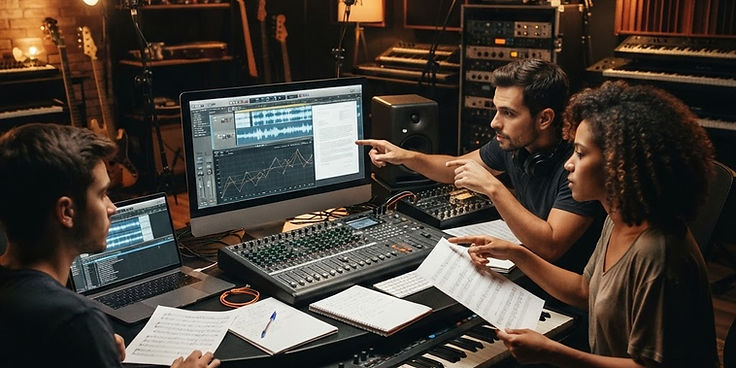
The agenda of music copyrights took on new contours in 2026, pushing composers, performers, and arrangers to understand and adapt their routines. Recent regulatory and technological changes have redefined processes, creating new obligations for those seeking legal security and full access to revenues arising from the use of their creations in concerts, digital platforms, traditional media, and commercial synchronizations.
New Obligations for Composers in 2026
The year is marked by incisive changes in the documentation required for registering musical works in Brazil. A detailed listing of collaborators—including supporting musicians, record producers, and co-authors of lyrics, melody, and arrangement—has become indispensable in most official bodies and collective management entities. Authorship declarations now require electronic authentication, increasing the artist's responsibilities from the earliest stages of their career.
The changes have also affected the notification of the use of works, such as in concerts and live streams, which now requires more detailed and transparent prior communication, reflecting the new rigor of collecting agencies regarding the origin and division of rights. The official goal is to increase the traceability of the work, making copyright disputes more transparent and making it harder to commit fraud and recurring plagiarism cases seen in the previous decade.
Oversight Tools and Digital Tracking
Blockchain technologies, vocal biometrics, and audio fingerprinting have gained prominence in institutional environments for registering and monitoring music. These tools allow real-time mapping of track usage on digital platforms, radio, and public events. For the artist, this means the need to adapt: works not registered in modern formats have difficulty circulating or ensuring full remuneration.
The most notable advance in 2026 was the massive integration of official systems and private platforms, accelerating the automation of royalty collection—but also leaving less room for documentary inconsistencies. Cases of self-declaration of authorship without technical or legal backing have dropped drastically, reducing litigation but requiring greater attention to the preparation of copyright evidence from the conception of the works.
Revenue Distribution and the Impact of New Requirements
The redistribution of percentages among composers, performers, producers, and publishers sparked debates and regulatory adjustments in 2026, especially given the growing volume of online microtransactions. Artist groups and associations pushed for greater transparency and fair sharing, as small inconsistencies in registrations hinder access to revenues, which are now blocked or provisionally directed to contingency funds until copyright credits are regularized.
Soundtracks for advertising, series, and video games have become major revenue drivers, but impose sophisticated contractual and documentary requirements. Failure to fully meet these criteria has become a frequent reason for works to be excluded from major bids or institutional playlists, giving even more weight to the correct and detailed registration process.
Changes in the Music Scene and Repertoire Protection
The improvement of protection tools has boosted copyright claims among independent artists, leading to waves of regularization of old catalogs and a search for specialized legal advice. The market is witnessing increased competition between Brazilian and international repertoires in digital revenues, highlighting the chronic need to professionalize the path from creation to the effective documentary resolution of rights.
The new regulatory and technological logic has also created obstacles for previously common practices, such as the simultaneous release of unregistered music—a practice now seen as highly risky. In 2026, Brazilian artists face a crossroads between digital productivity and copyright protection, which even changes the artistic and marketing planning of new projects.
Practical Developments for Composers, Performers, and Market Professionals
The update of regulations and increased oversight make the music registration service more complex, but also more indispensable. Frequent errors—such as incomplete data, lack of digital authentication, or inconsistencies between versions of the same work—now cause significant blocks and delays in payments. Strategic management today requires careful analysis before each release and before exposing the work in any revenue-generating environment—from the stage to streaming platforms and synchronization.
At Grupo Música 360º, the Registrar Musica service is designed for this advanced scenario: the service goes beyond simply filing basic information. Each case is evaluated with legal and technical rigor, with detailed guidance to organize collaborations, versions, sound recordings, and other necessary documents for total rights protection and full revenue collection. The service covers all stages, from mapping authorship to registration with the competent entities, ensuring that clients avoid the most costly mistakes and have the security to place their music in the national and international markets.
Beyond regulatory formalization, Grupo Música 360º's Registrar Musica service anticipates the technological and contractual requirements that define 2026, guiding composers and performers to organize repertoires, contracts, and registrations prior to public release. The team is experienced in documenting instrumental works, collaborative tracks, soundtracks, and singles in multiple formats, aligned with the criteria of the main collecting societies and the largest contracts in the market. To protect your creations and keep your rights guaranteed, simply contact Grupo Música 360º via WhatsApp and present your project.
The improvement of music copyrights in 2026 highlights the ongoing connection between market, innovation, and legal protection. The context demands professionalism in the documentary and strategic management of repertoires, under risk of revenue loss and market share. The artist who wants to circulate, earn, and be recognized in the Brazilian and international scene must treat music registration not as a bureaucratic act, but as a crucial step in career development.
Grupo Música 360º
Sua música também pode chegar mais longe.
O Grupo Música 360º trabalha com divulgação musical e produção de conteúdo para artistas, bandas, produtores e gravadoras. Fale com a nossa equipe pelo WhatsApp e apresente o seu projeto.