
Protection of Beats and Instrumentals in 2026: Practical Criteria and New Legal Requirements
How the Shielding of Instrumentals Became Critical for Beatmakers and Producers in a Renewed Legal Landscape
Redação Música 360º
Redação Música 360º
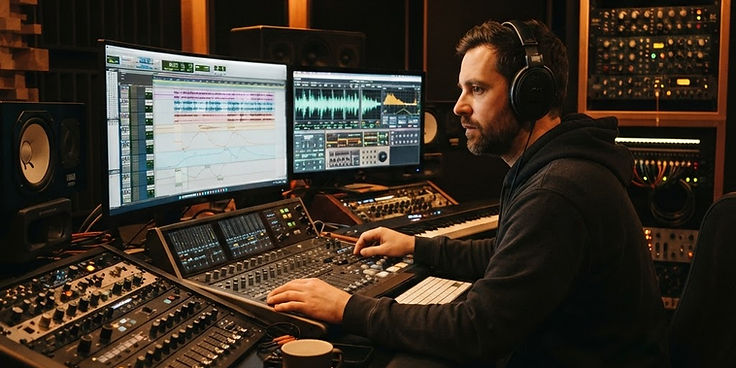
Beats and instrumentals have gained unprecedented prominence in 2026 in the Brazilian music market—not only due to the advancement of digital platforms and the multiplication of genres driving original creations, but also because of a legal environment that places the protection of these works at the center of decisions for beatmakers and producers. Recent reforms in copyright regulations, in effect for only a few months, have intensified the focus on detailed registration of instrumentals and beats, making the tracking of the creative process an indispensable step.
Legal Pressure and New Authorship Parameters
Amid the explosion of online collaborations and the constant flow of beat sales and licenses, the requirement to prove authorship and precedence has never been so strict. Recent court decisions have tightened the filter on what is considered originality and protected authorship in arrangements, samplers, and digital instrumentals. The recognition of the complexity of beats—especially in urban, pop, and electronic music—has expanded the evaluation of what can be subject to copyright protection, introducing technical nuances into the debate.
As a result, beatmakers, producers, and instrumental creators are now required to provide precise documentation of their creative process: project sessions (in DAW), layer records, export dates, source files, and electronic signatures on contracts have become decisive elements in recent disputes. The old habit of circulating beats "on trust" or closing verbal agreements has opened the door to lawsuits that, in 2026, rarely end favorably for those without solid documentary shielding.
Beat Market: Appreciation and New Risks
The heating up of the beats and instrumentals market in Brazil has turned the beat into a valuable asset, with specialized platforms and increasingly frequent international transactions. But this new scenario has brought proportional risks for those who bet on informality. There is a growing occurrence of legal disputes related to authorship, usage rights, assignment, and remuneration—many involving mid-level and independent artists who sought to professionalize the protection of their instrumentals too late.
The practice of sampling and remixing beats has also come under stricter monitoring, with digital tracking mechanisms identifying unauthorized derivations within days. In 2026, selling or licensing beats without clear clauses and rights shielding has become synonymous with exposure to court injunctions, demonetization on platforms, and even restrictions in public cultural funding opportunities.
What Changes in the Protection of Beats and Instrumentals
Effective protection of beats in 2026 requires an approach that combines technical rigor, authorship documentation, and clarity in contracts. The registration of beats and instrumentals must consider, beyond the final audio, the production source files, intermediate versions, and any collaborations. Details such as the authorship of original samples, loop manipulation, and the addition of effects need to be specified, under risk of future challenges.
Digital signatures on contracts and rights transfer statements have become popular as a validity criterion in negotiations between beatmakers and performers. The individualization of works (through timestamp, technical detailing, and identification of the authorship of each sound layer) forms the new standard of shielding against fraud, split disputes, and plagiarism accusations—a scenario made even more complex by the rise of AI-assisted productions and remote collaboration.
Practical Paths: From Documentation to Official Registration
To shield beats and instrumentals in the current environment, documentation of the creative process is a prerequisite. The beatmaker should archive DAW projects (open sessions, not just wav/mp3 audio), timeline screenshots, saved versions with dates, and even email communications or digital contracts. The registration of works, carried out with the competent authority, is only effective when connected to this documentation—without it, legal validity can be challenged.
The effectiveness of protection also depends on the clarity of contracts signed for the sale, licensing, or assignment of instrumentals. It is essential to define in writing the limits of use (exclusive or not), percentage of copyright transfer, responsibility for any third-party samples, and conditions for future remuneration or monetization. Legal instruments have already evolved to include recognized electronic signatures, valid throughout the national territory in 2026.
At Grupo Música 360º, the Registrar Musica service was structured to address exactly this new market context in 2026. The team combines up-to-date legal knowledge with expertise in digital music production, ensuring that beats and instrumentals receive real protection from the creation stage through documentation, contracts, and official registration with recognized authorities. The entire process—analysis of authorship layers, organization of files, contractual guidance, and registration protocol—is accompanied, shielding the beatmaker from the legal and commercial risks of the sector.
Producers, beatmakers, and artists find in the Registrar Musica service from Grupo Música 360º the integrated solution for current demands. Whether to organize the copyright protection of a beat, register unreleased instrumentals, or structure secure contracts for partnerships, each step is personalized according to the musical project profile and the creator's portfolio. To present your work and learn how to shield your beats, contact the Grupo Música 360º team via WhatsApp.
The Impact of This New Standard on the Music Ecosystem
The evolution of criteria for the protection of beats and instrumentals in 2026 strengthens the entire creative chain: it drives the professionalization of beatmakers, values producers, and forces the digital environment to adopt good copyright management practices. The result is a safer ecosystem for the negotiation of works and greater transparency in recognizing original contributions, avoiding litigation and unlocking legitimate business opportunities.
In this new context, protecting beats and instrumentals is not just a formality, but an indispensable competitive differentiator for those seeking a long and relevant career in the contemporary music market. In 2026, legal shielding is what separates amateurs from respected creators—and those who properly organize their instrumentals lead the sector’s opportunities.
Grupo Música 360º
Sua música também pode chegar mais longe.
O Grupo Música 360º trabalha com divulgação musical e produção de conteúdo para artistas, bandas, produtores e gravadoras. Fale com a nossa equipe pelo WhatsApp e apresente o seu projeto.